Forensic Document Examination is the forensic science discipline concerned with the examination and analysis of documents of all kinds, and their component materials, to answer questions in response to investigations or legal proceedings. Traditional FDE may answer questions such as who wrote the handwriting or signature appearing on a particular document, when was a document created, or was it created on the date purported by that document, was a particular machine (for example, a specific printer or typewriter) used to create a document, or if security documents such as passports and currency are genuine or not. We conduct analyses to determine if documents have been altered, or recover information from obliterated text, including from charred or fluid-soaked documents. ForensInk can also conduct advanced chemical analyses to determine the relative age of a document, or if the component materials were available when the document was purportedly created.

ForensInk produces reports of analytical findings for court. Scientific advice is also available to clients throughout the forensic process. Our findings have been used to resolve cases at all levels of Canadian court, in international trade tribunals, and directly to the judiciary.

With almost seventy years of combined experience in forensic science, our FDE have provided testimony across Canada in the provinces of British Columbia, Alberta, Manitoba, Ontario, Quebec, New Brunswick, and Nova Scotia. Expert testimony has also been given in Wisconsin, before the International Centre for Settlement of Investment Disputes in Washington (D.C.), in the United Kingdom, and before the Canadian International Trade Tribunal in Ottawa (Ontario).

ForensInk has extensive experience training to competency in forensic document examination. We have developed and implemented training plans for new forensic laboratories in Canada and in the Middle East, provided specialized training sessions in the Middle East and in South Africa, and have developed and implemented proficiency testing schemes in Latin America. We are routinely invited to lecture on select topics in FDE: in particular, on the analysis of inks, the applications of advanced technologies to FDE and in forensic intelligence. We provide short awareness sessions to clients and other stakeholders about the application of FDE to advance investigations.
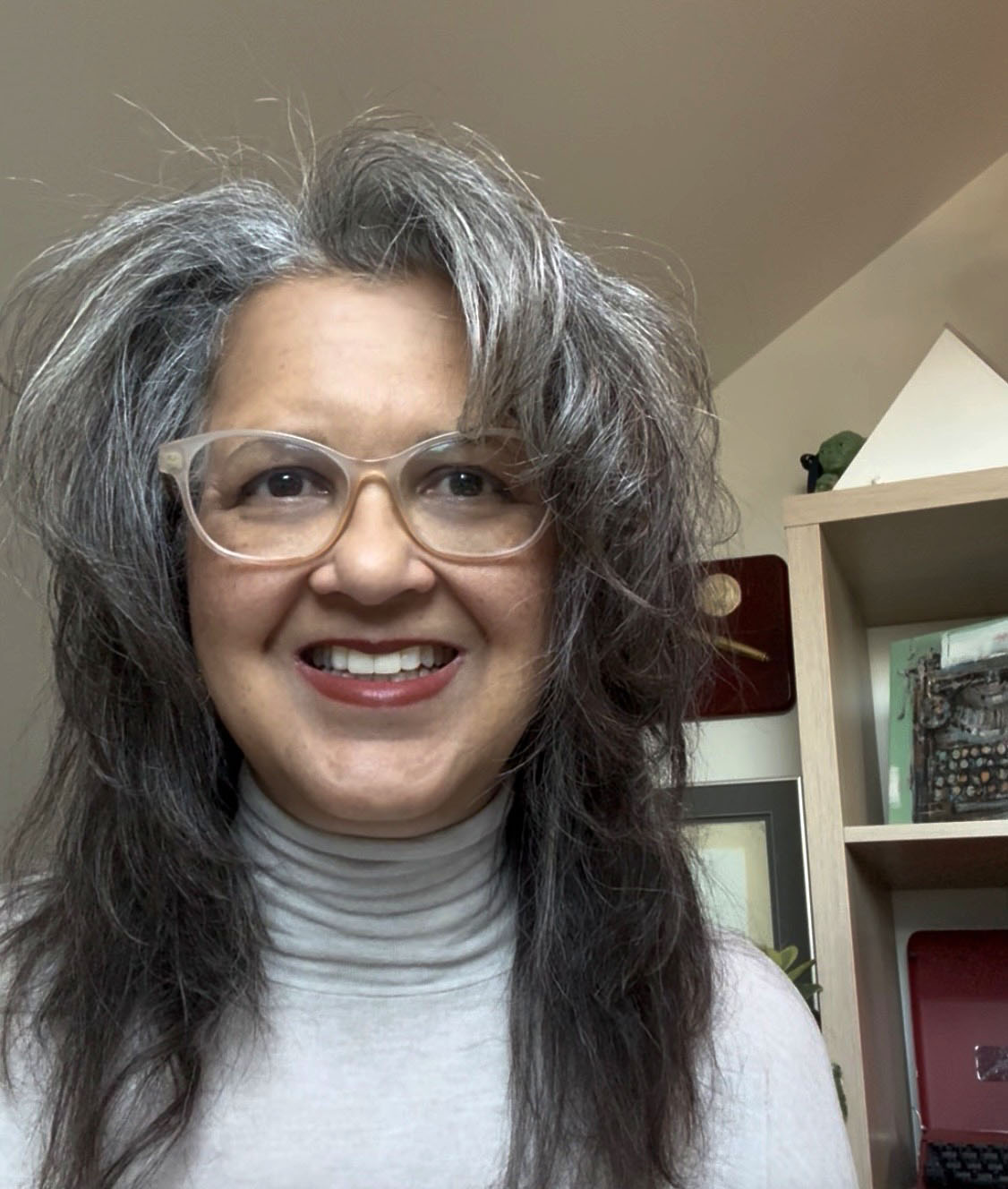
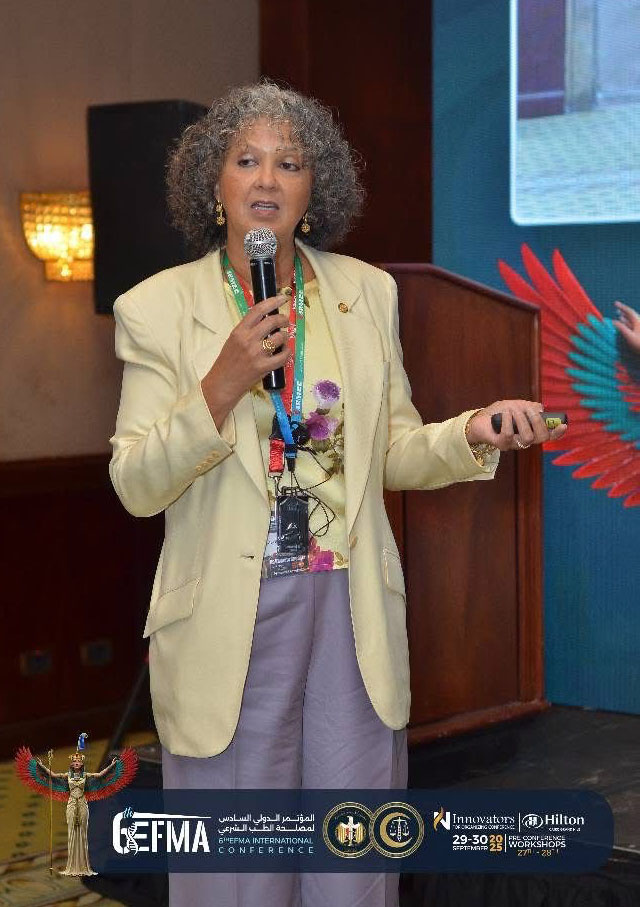
Samiah has worked as a forensic handwriting and document examiner, and a forensic science manager for over 30 years with various departments of the Canadian federal government including the Canada Border Services Agency, the Canada Revenue Agency, and the Canadian Security Intelligence Service, and now in a private consultancy role. In this role, she has consulted to the United Nations Office on Drugs and Crime (UNODC), developing proficiency testing schemes for examiners of security documents. Moreover, she has participated as an expert consultant in the development of a training program for forensic document examination capacity in the Palestinian Civil Authority. Samiah worked in the West Bank as a trainer and resource to the PCA and the UNODC, and most recently has been working as a forensic consultant for the International Criminal Court.
Samiah is past-President of the American Society of Questioned Document Examiners, and a member of the Canadian Society of Forensic Sciences, the American Academy of Forensic Sciences (Questioned Documents Section) where she also serves on the Board of Directors, and the United Kingdom’s Chartered Society of Forensic Scientists. She is also an associate member of the African Forensic Sciences Academy. She has presented worldwide on various topics in forensic document examination (FDE) and is currently a member of the Organizing Committee for the INTERPOL International Forensic Science Managers’ Symposium. Her interests include forensic intelligence, automated systems to assist in FDE, and other analytical technologies used in the examination of documents for source, origin, and date of production. In addition to this, Samiah oversaw the development of the sole forensic facial identification capacity within the Canadian federal government. Most recently, Samiah with a team of three, created and organized the inaugural FDE-Linked international conference - the largest ever conference of FDE.
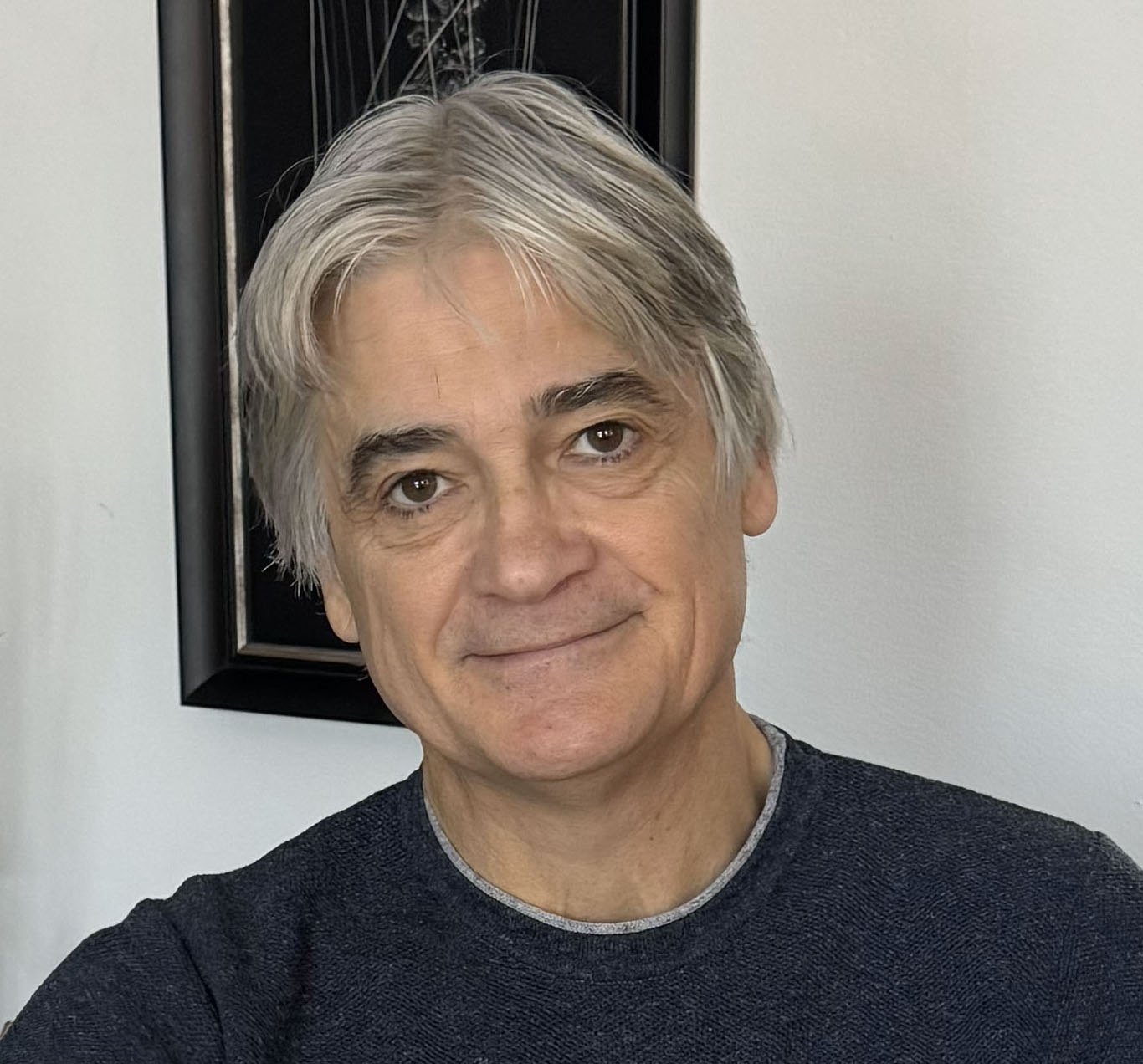
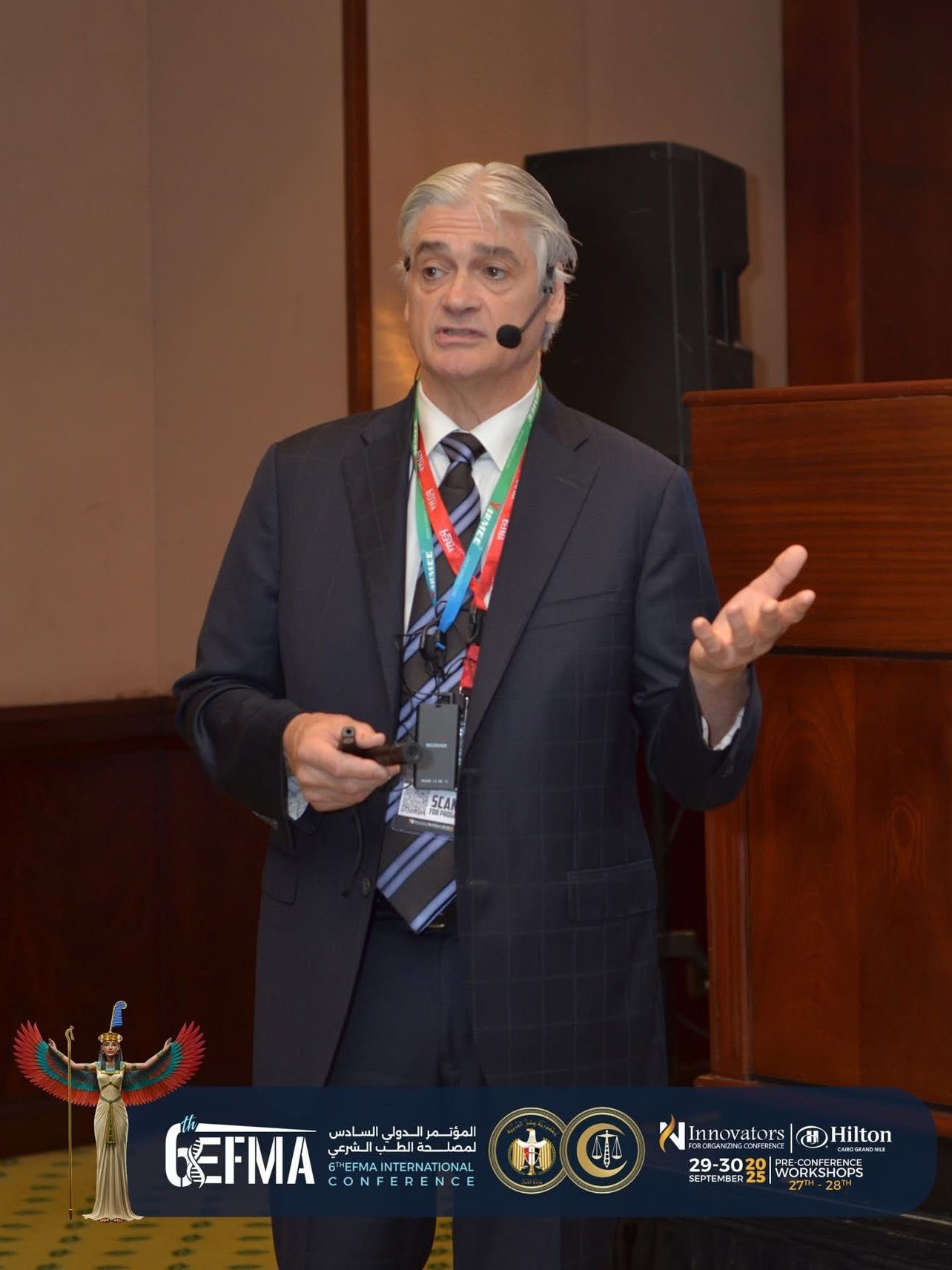
Marc has worked as a forensic handwriting and document examiner, and a forensic science manager for over 40 years with various departments of the Canadian federal government including the Royal Canadian Mounted Police, the Canadian Security Intelligence Service, the Canada Revenue Agency, and the Canada Border Services Agency. In these last three departments Marc designed and set up the forensic laboratories, as well as managing the program and teams. In 2008 he moved to the private sector, as the Director or Research and Development at the Canadian Banknote Company (CBN), a security printing manufacturer and integrator. In this role he directed the R&D of a team of nine research scientists, developing security features and conducting forensic work for international clients of the company. Marc holds multiple patents for his work at CBN. He has led national R&D projects in microfluidics and advised on nanomaterials research and applications to security documents. At CBN Marc also designed and developed multiple R&D, quality assurance and forensic laboratories.
Marc has worked as a private forensic handwriting and document consultant throughout his career. He was awarded the Canadian Public Service Award of Excellence in Innovation for developing and implementing analytical chemistry methods for document dating. In this regard he is considered one of the world’s leading experts and has been called upon to resolve cases globally. His other research interests include automated handwriting systems, forensic applications of image analysis, and other forensic applications of analytical chemistry to document examination problems.